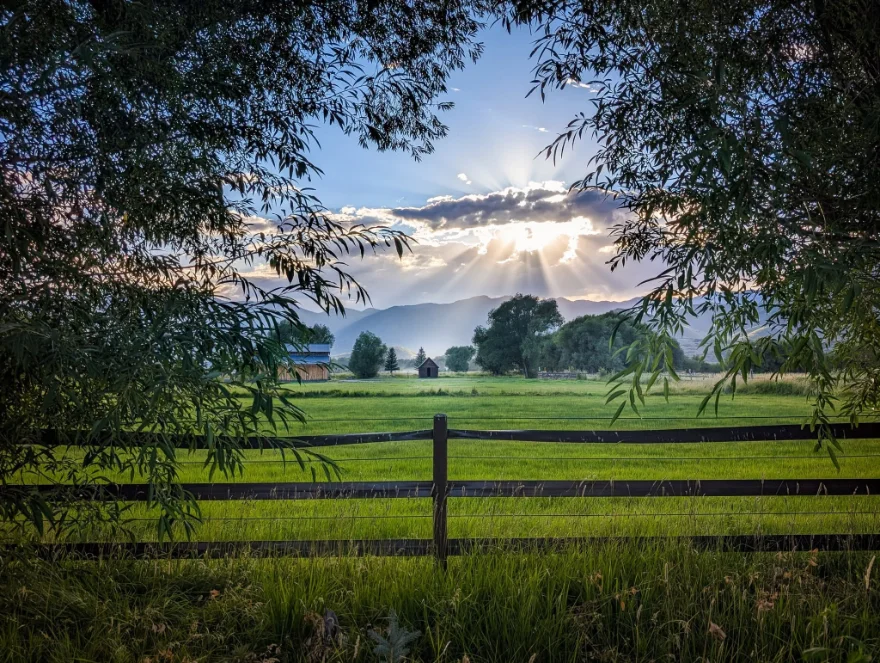
Working ground
Sheep, cattle and hay have come off these fields for generations. They’re why the valley still looks like the valley.
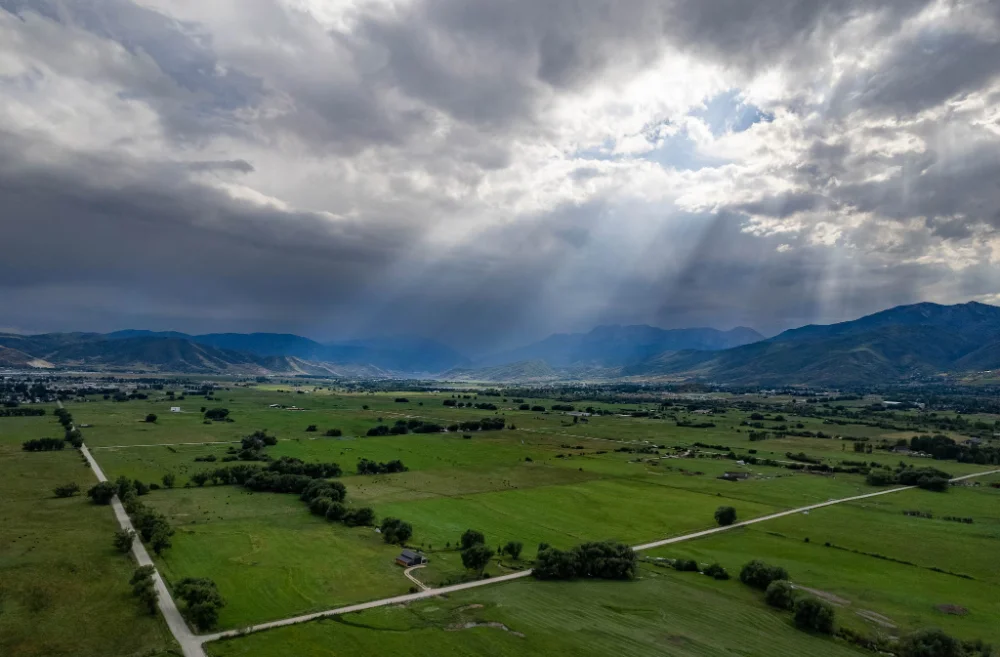
An afternoon on the dirt roads of Heber Valley’s last great stretch of open farmland — then back to where we started, for a BBQ under the mountains.
North of Heber City and west of U.S. 40, thousands of acres of pasture, hay meadow and wetland have been farmed for generations. Locals call it the crown jewel of the valley. Once it’s paved, it doesn’t come back.
Wasatch County voters approve a $10 million bond to conserve open space. The North Fields were a main reason why.
The USDA recognizes the fields as Grasslands of Special Significance — rich soils, persistent native grass.
A bypass and one of Utah’s fastest-growing counties are pressing in on what remains.
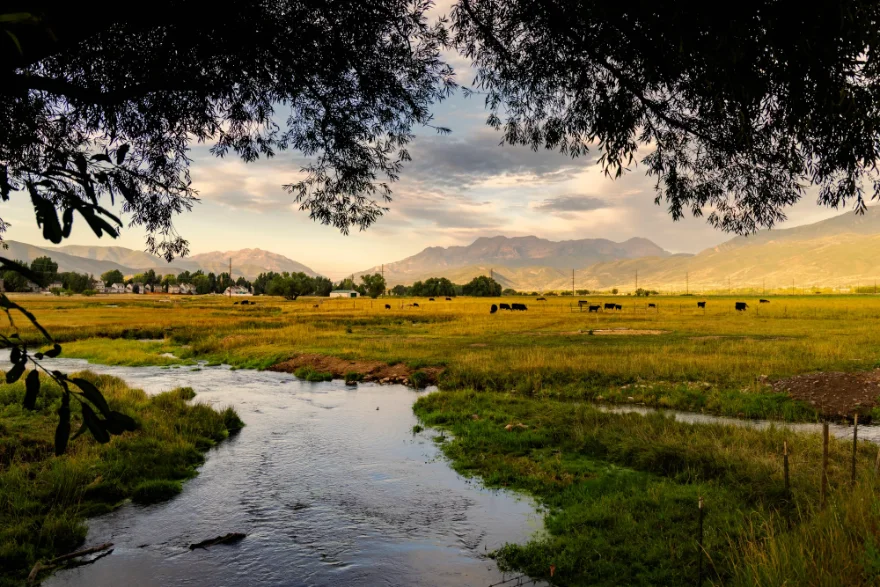
It feeds families, shelters wildlife and cleans water — all without asking anything of the valley but to be left open.
Sheep, cattle and hay have come off these fields for generations. They’re why the valley still looks like the valley.
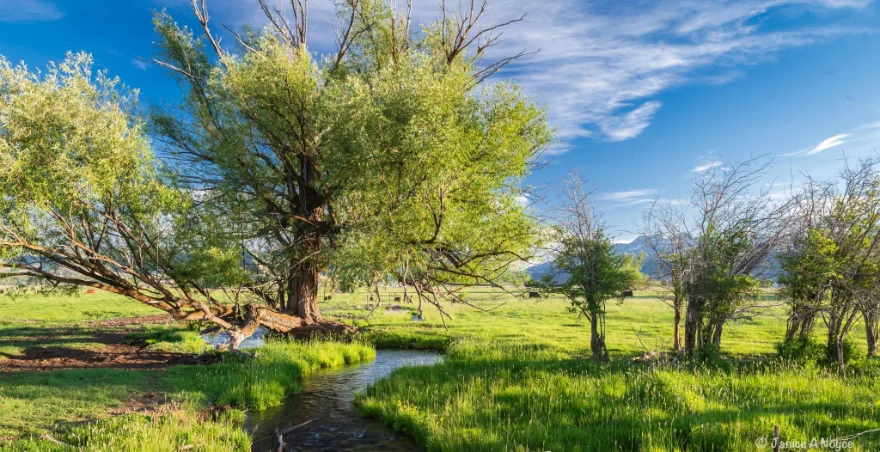
Native grassland and seasonal wetland give birds and wildlife the kind of room a subdivision can’t.
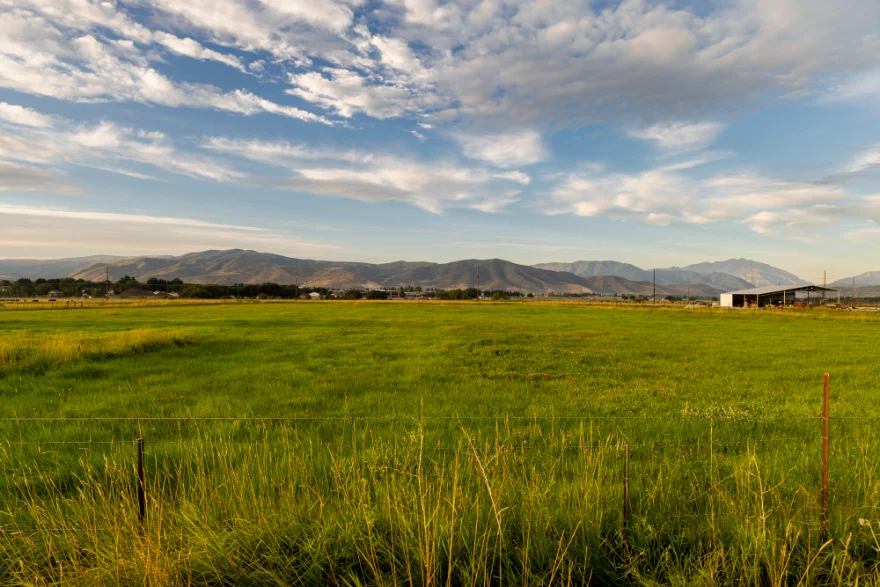
The fields’ wetlands and waterways support return flows to the Provo River — a sponge between the mountains and town.
We’ll walk a marked loop along the working farm roads of the North Fields — roads most people only ever see from the highway. The route brings you back to the start, where the BBQ starts at six.
Registration is free and takes under a minute. It helps us mark the route, staff the corners, and know how much to put on the grill.
The route map and start-point pin will go to the week of the walk. Wear shoes you don’t mind getting dusty.
The route map and start-point pin are in your confirmation email at . Wear shoes you don’t mind getting dusty.
Your confirmation email has a link to change or cancel.